Exploring Vegetarian Feedback in Modern Indian Restaurant Choices
Table Of Contents
Sustainability and Its Appeal to Vegetarian Diners
Vegetarian diners increasingly seek out restaurants that prioritise sustainability. The alignment of food choices with environmental consciousness appeals to those who wish to minimise their ecological footprint. By opting for plant-based meals, patrons are not only making a dietary choice but are also supporting practices that conserve water, reduce greenhouse gas emissions, and protect biodiversity. Dining establishments that showcase their commitment to sustainability tend to attract a growing clientele of environmentally aware consumers.
Moreover, transparency becomes a crucial factor in the decision-making process for many diners. Restaurants that openly share their sourcing methods, waste management practices, and commitment to local produce create a sense of trust and community. Customers are more likely to appreciate and return to venues that emphasise eco-friendly approaches, whether through organic ingredients or innovative waste reduction strategies. This shift toward sustainability represents not just a trend but a fundamental change in the dining landscape, reshaping the expectations of vegetarian consumers.
The Importance of Eco-Friendly Practices in Restaurants
Restaurants embracing eco-friendly practices cater to a growing segment of diners who prioritise sustainability. By utilising organic ingredients and local produce, establishments not only reduce their carbon footprint but also support local farmers. This approach resonates particularly with vegetarian diners, who often choose plant-based diets for environmental reasons. Adopting sustainable practices enhances the restaurant's brand image and can attract a loyal customer base.
The integration of eco-friendly initiatives goes beyond sourcing. Waste management systems, such as composting and recycling, play a crucial role in minimising environmental impact. Eco-conscious diners appreciate when restaurants take concrete steps to reduce plastic usage, promote reusable items, and employ energy-efficient appliances. These practices not only reflect a commitment to sustainability but also create a more enjoyable dining atmosphere for patrons who value environmental responsibility.
Innovations in Vegetarian Menu Offerings
The culinary landscape in Indian restaurants is evolving rapidly, with an increased focus on vegetarian offerings that embrace innovative techniques and ingredients. Chefs are now experimenting with plant-based proteins, incorporating items like jackfruit, tempeh, and various pulses to create dishes that resonate with both traditional and modern palates. This shift not only caters to the growing population of vegetarians but also attracts health-conscious diners who are keen to explore unique flavours and textures.
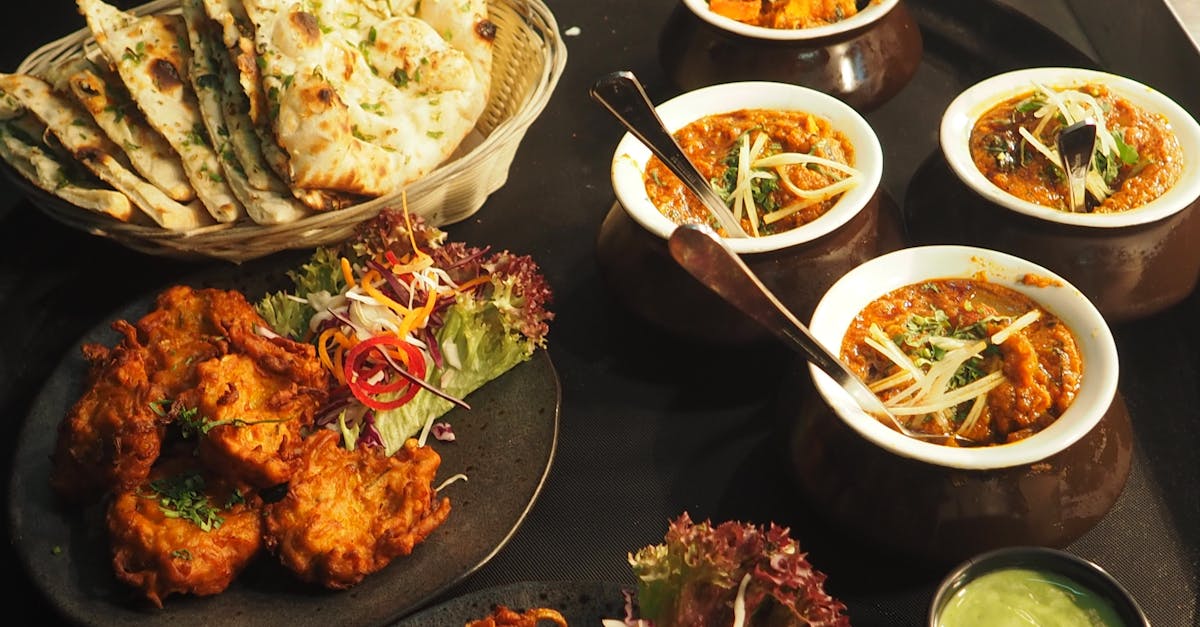
In addition to ingredient innovation, presentation plays a significant role in enhancing the dining experience. Restaurants are now opting for vibrant colours and artistic arrangements to elevate their vegetarian dishes to an aesthetically pleasing level. Furthermore, the incorporation of global cuisines influences the menu, allowing diners to savour traditional Indian spices in fusion dishes like quinoa biryani or a masala veggie burger. This culinary creativity continues to transform perceptions, demonstrating that vegetarian cuisine can be both delicious and exciting.
Popular Dishes Gaining Traction in Indian Restaurants
Modern Indian restaurants are experiencing a surge in demand for innovative vegetarian dishes that highlight regional flavours and traditional cooking techniques. Diners increasingly seek unique offerings that move beyond the familiar paneer tikka and butter chicken. Contemporary creations like quinoa biryani and jackfruit curry are capturing attention for their creative use of local produce. Many eateries are experimenting with seasonal ingredients, incorporating them into traditional recipes to offer diners a fresh experience with every visit.
Street food-inspired options are also making waves, particularly items such as dal vada sliders and chaats reimagined with gourmet twists. These dishes often blend familiar tastes with playful presentations, attracting both vegetarian and non-vegetarian patrons. The rise in plant-based diets has led chefs to rethink their menu offerings, showcasing the versatility and depth of Indian vegetarian cuisine. This trend not only appeals to health-conscious diners but also fosters a greater appreciation for the rich culinary heritage of India.
The Importance of Authentic Flavours in Vegetarian Options
Vegetarian cuisine holds a special place in Indian culinary traditions. Authentic flavours play a crucial role in capturing the essence of a meal, making it memorable for diners. Ingredients like fresh spices, locally sourced vegetables, and traditional cooking techniques contribute significantly to the depth of flavour. Chefs often delve into regional specialities, ensuring that dishes resonate with the cultural context from which they originate. This attention to authenticity fosters a connection between diners and the heritage of Indian cuisine.
To maintain this authentic experience, it's essential to balance traditional practices with modern innovations. While some chefs experiment with contemporary cooking methods, they must not lose sight of the foundational flavours that characterise Indian vegetarian dishes. Techniques passed down through generations, such as slow cooking or the use of specific spice blends, enhance the overall dining experience. By merging traditional and modern approaches, restaurants can offer vegetarian options that excite and satisfy the palate, appealing to both purists and adventurous eaters.
Balancing Traditional and Modern Culinary Techniques
When considering the evolution of vegetarian cuisine in Indian restaurants, the blend of traditional and modern culinary techniques plays a crucial role. Chefs often draw inspiration from age-old recipes, reinscribing them with contemporary flair. This fusion not only preserves the essence of Indian gastronomy but also adapts to current palates and dietary trends. For instance, traditional cooking methods may be paired with innovative presentations and seasonal ingredients, offering diners a fresh experience while respecting the foundational flavours.
Emphasising authenticity remains paramount in this culinary dialogue. Chefs strive to honour traditional spices and cooking methods while exploring new techniques, such as sous-vide or experimental garnishing. This approach allows for the creation of dishes that reflect the rich heritage of Indian cuisine while aligning with modern dietary preferences and aesthetic expectations. Diners increasingly appreciate this diversity, finding satisfaction in meals that feel both nostalgic and novel.
FAQS
Why is sustainability important to vegetarian diners in modern Indian restaurants?
Sustainability is important to vegetarian diners because it aligns with their ethical values and lifestyle choices, promoting environmentally friendly practices that reduce waste and support local sourcing.
What are some eco-friendly practices that Indian restaurants are adopting?
Many Indian restaurants are adopting eco-friendly practices such as using locally sourced ingredients, minimising food waste, implementing recycling programmes, and utilising biodegradable packaging.
What innovative vegetarian dishes are becoming popular in Indian restaurants?
Some innovative vegetarian dishes gaining traction include plant-based versions of traditional curries, fusion dishes that blend Indian flavours with international cuisines, and creative use of seasonal vegetables and grains.
How do authentic flavours influence vegetarian menu offerings in Indian restaurants?
Authentic flavours are crucial as they resonate with diners’ expectations and cultural experiences, helping to create genuine, satisfying dishes that honour traditional culinary techniques while also appealing to contemporary tastes.
How can Indian restaurants balance traditional and modern culinary techniques in their vegetarian offerings?
Indian restaurants can balance traditional and modern culinary techniques by incorporating classic recipes with contemporary cooking methods, using innovative presentation styles, and experimenting with modern ingredients while maintaining the essence of traditional flavours.
Related Links
How Authenticity Impacts Customer Opinions in Melbourne's Indian CuisineUnderstanding the Importance of Reviews for New Indian Restaurants in Melbourne
Dining Experiences: Comparing Customer Reviews Across Melbourne’s Modern Indian Eateries
The Influence of Customer Reviews on Melbourne's Indian Dining Scene
Top Customer Picks: Best Dishes in Modern Indian Dining Experiences
The Role of Service Quality in Melbourne's Indian Restaurant Reviews
Evaluating the Customer Experience at Melbourne's Modern Indian Restaurants
A Deep Dive into Melbourne Diners’ Feedback on Indian Cuisine
What Customers Are Saying About Ambience in Modern Indian Dining